
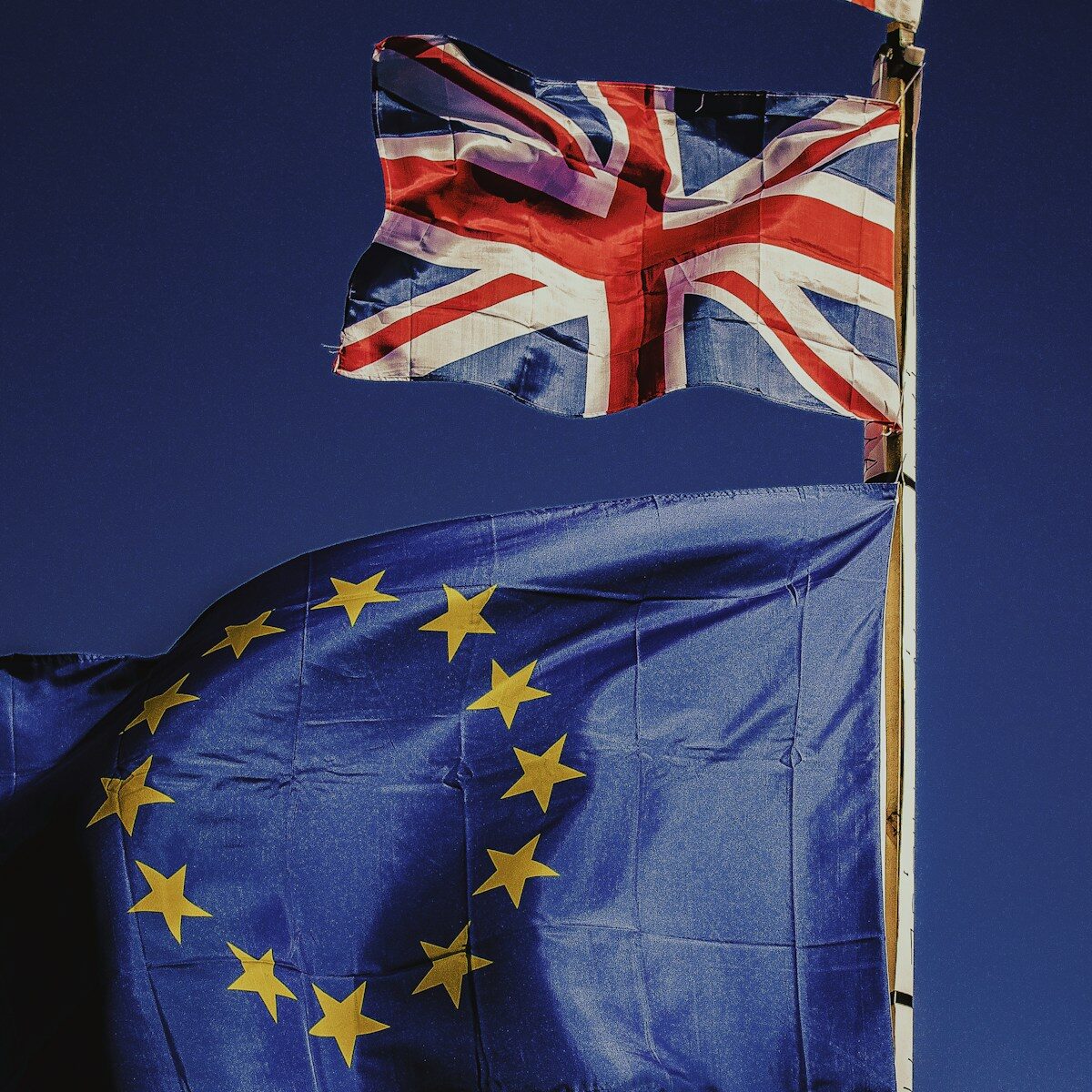
For a young person hoping to work in Europe, or a food producer trying to sell across the Channel, November’s UK-EU summit could have consequences well beyond the usual diplomatic photographs.
The meeting is expected in Brussels in November, with the Financial Times reporting 20 November as the likely date. That timetable should still be treated as provisional.
Prime Minister Andy Burnham has opened a wider debate about Britain’s European future, including a customs union, single-market participation and full EU membership. But the immediate negotiations concern specific changes to the relationship Britain has today.
There is already a clear agenda. In a joint statement published in December 2025, London and Brussels said they aimed to conclude talks on youth mobility, food and plant health, and linking their emissions trading systems by the next summit.
November will test whether they can deliver.
A new route to work and travel in Europe
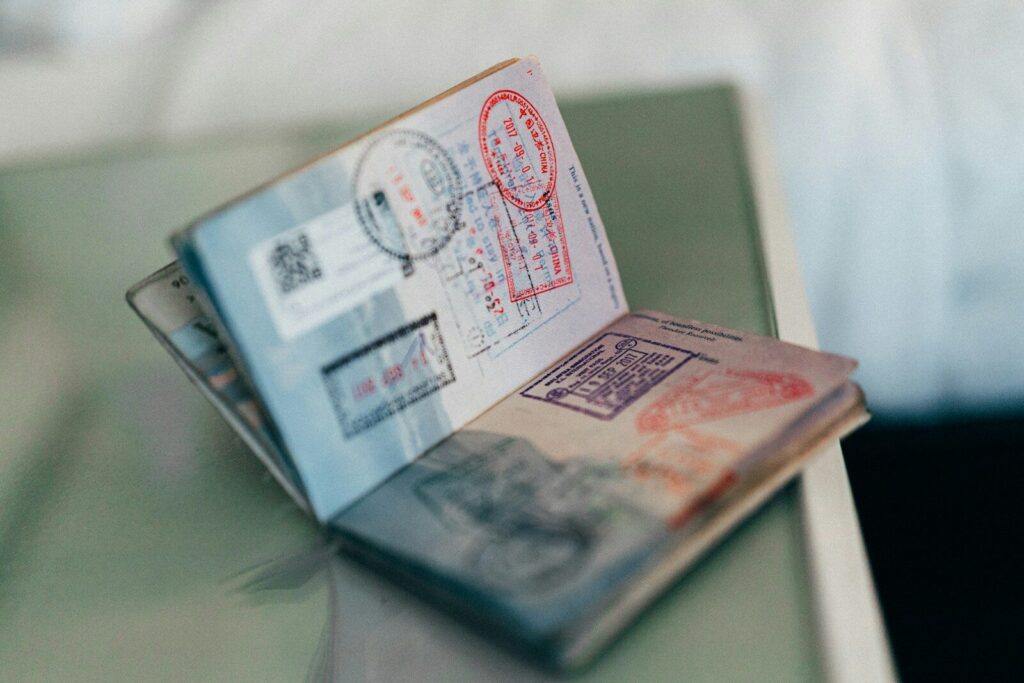
The proposed youth experience scheme could be the most immediately recognisable change for younger readers.
Under the framework agreed in May 2025, young people would have a dedicated visa route for activities including work, study, volunteering and travel. Stays would be temporary, with overall participant numbers acceptable to both sides.
That could reopen possibilities for spending meaningful time abroad. Its usefulness, however, will depend on the final terms: eligible ages, visa costs, length of stay and the scope of permission to work and travel.
The parliamentary scrutiny is revealing. In September, the House of Lords European Affairs Committee asked ministers about onward movement between EU countries and whether an initial agreement would leave out provisions on EU students’ university fees in the UK.
Those are practical questions. A scheme that is expensive or difficult to navigate could put the opportunity beyond the people who would benefit most. The announcement to watch for is a usable set of rules, with a date when applications can actually open.
Erasmus+ is already coming back
One development should be kept clear in the coverage: the UK’s return to Erasmus+ in 2027 has already been formalised.
The UK and EU signed the legal text on 15 April 2026. The programme creates opportunities across education, training, youth and sport, including student exchanges, apprenticeships and school projects.
For November, the useful questions concern delivery. How will organisations access funding? When will participants hear about opportunities? And how will people without family money be supported to take part?
Erasmus+ and the youth experience scheme serve different purposes. A return to educational exchanges is an important step, while the proposed visa route would allow a wider range of temporary experiences abroad.
Less friction at the food border
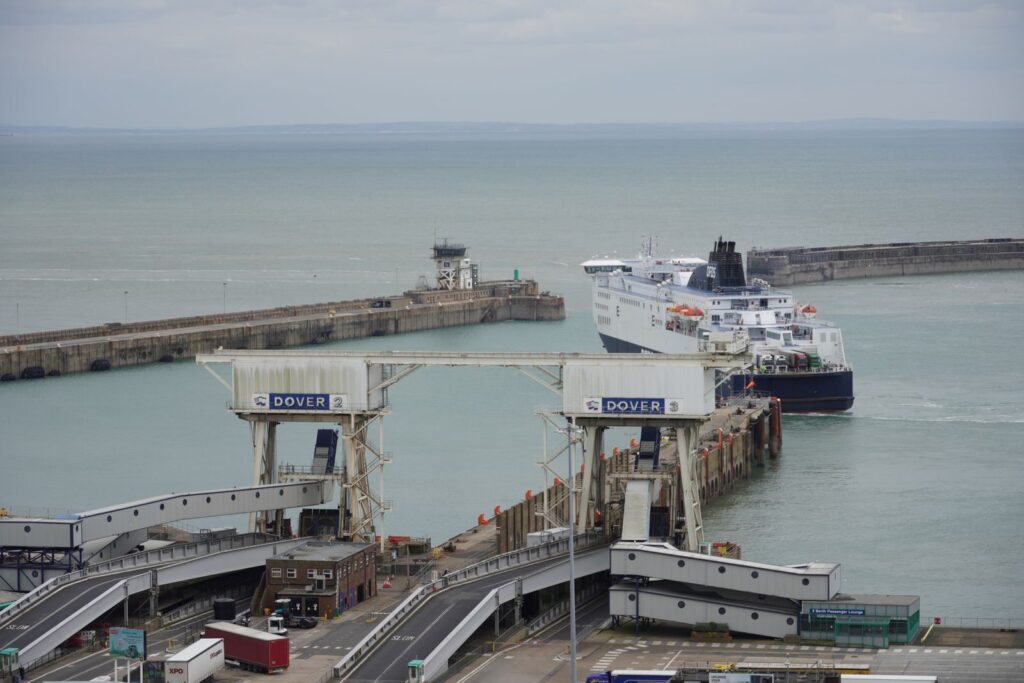
The proposed sanitary and phytosanitary agreement, usually shortened to SPS, deals with food safety and animal and plant health.
Its purpose is to make trade easier by bringing relevant rules into alignment. The agreed framework envisages removing most certificates and controls within its scope for movements between Great Britain and the EU, with benefits also extending to trade between Great Britain and Northern Ireland.
For businesses handling perishable goods, fewer documents and checks could mean lower costs and less disruption. Whether those savings reach consumers will depend on what happens further along the supply chain.
The government’s intended implementation date is mid-2027, subject to negotiations. A November agreement would therefore begin a period of preparation before businesses experience the full changes.
There is also a political trade-off. Great Britain would follow relevant EU rules as they change, with limited negotiated exceptions. Businesses will need clarity about which requirements change and how much time they have to adjust.
Joining up carbon markets and electricity trading
Another central negotiation concerns linking the UK and EU emissions trading systems.
These systems put a price on emissions by requiring covered operators to surrender allowances for their pollution, within an overall cap. Linking them would connect markets that have operated separately since Brexit.
The government argues that a larger market could improve price stability and support investment in cleaner technologies. The agreed framework also envisages creating the conditions for mutual exemptions from carbon border charges, subject to the relevant legal requirements.
The details to watch include the sectors covered and when the link would become operational.
Electricity is a separate strand. In March, the EU Council authorised negotiations on UK participation in its internal electricity market. Its proposed approach couples market access with alignment to relevant rules and a UK financial contribution to EU cohesion policy.
More efficient electricity trading could support energy security and renewable investment. Any claim about household bill savings will need evidence about the final arrangements and how they work in practice.
The harder questions could remain open
British manufacturers’ access to the EU’s developing “Made in Europe” initiatives is a more difficult issue. These measures favour European production, making the treatment of UK industry economically significant.
The Financial Times reports that a deal on Britain’s participation is not expected at the summit. Progress on the immediate reset could therefore coexist with unresolved arguments about industrial policy.
Security and migration also belong in the picture. Burnham and European Commission President Ursula von der Leyen discussed shared threats from Russia, irregular migration and unfair global competition in September. That points towards continued cooperation, although specific summit commitments remain to be seen.
What would count as success?
My assessment is that the most plausible near-term outcome is a package of targeted agreements, alongside a broader debate about Britain’s long-term place in Europe. Burnham’s willingness to discuss membership widens the political possibilities; it does not establish an agreed route back into the EU.
For each deal, the questions are straightforward: who can use it, what rules change, what does it cost, and when does it start?
A working visa route, simpler food trade and clearer conditions for clean investment could all make closer relations tangible. November’s summit will be worth judging by how much closer those opportunities come to becoming part of everyday life.